HVAC · Bennett, NC
Our technicians bring years of hands-on experience diagnosing and repairing noisy air conditioning systems throughout Bennett, NC, combining technical expertise with honest, customer-focused service.
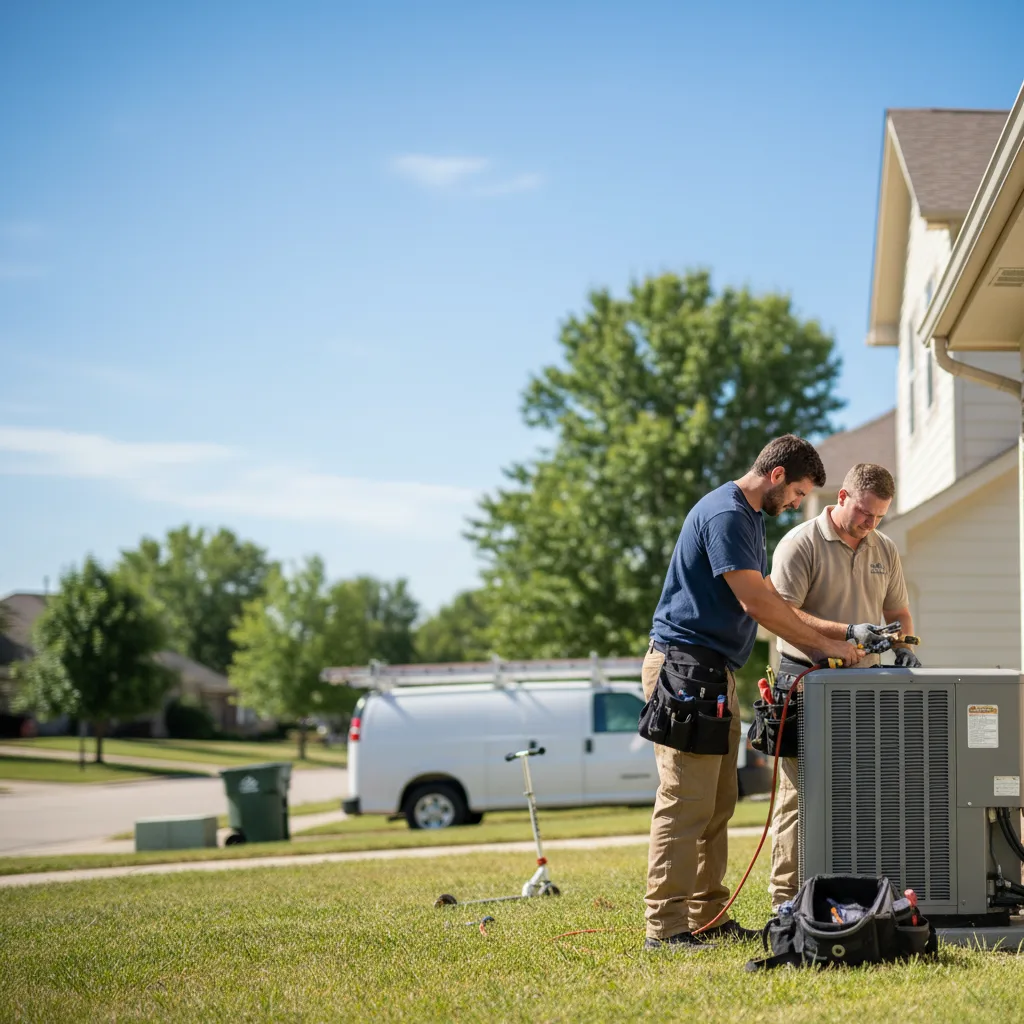
When your air conditioner starts making unusual sounds, it's more than just an annoyance—it's often a warning sign that something needs attention. At Benchley AC Repair, we specialize in identifying the exact source of AC noises and determining whether you need a simple adjustment or a more involved repair. Strange sounds can indicate anything from loose components to failing motors, and accurate diagnosis is the first step toward a lasting solution.
Air conditioning systems in Bennett, NC work hard, especially during peak cooling season when temperatures rise and humidity levels fluctuate. The constant operation can cause wear on mechanical parts, and even minor issues can quickly escalate if left unaddressed. We've helped countless homeowners identify rattling compressors, squealing blower motors, hissing refrigerant leaks, and clicking electrical components before they led to complete system failure.
Different sounds point to different problems. A grinding noise often indicates worn bearings in the blower motor or compressor. Squealing or screeching typically suggests a failing belt or motor issue. Banging or clanking can mean loose or broken internal components, while hissing may signal a refrigerant leak or expansion valve problem. Clicking sounds during startup are sometimes normal, but persistent clicking can indicate a failing relay or capacitor.
FAQ

Frozen evaporator coils usually result from restricted airflow or low refrigerant. A clogged air filter, closed supply vents, or a failing blower motor can reduce airflow enough to cause freezing. Low refrigerant from a leak causes the coil temperature to drop below freezing. Running the system with a frozen coil can damage the compressor, so it's important to shut the system off and call for service when ice appears.
The decision depends on the repair cost, the system's age, and its overall condition. Minor repairs like capacitors, contactors, or fan motors are usually cost-effective regardless of age. Major repairs like compressor or coil replacement on a system over 12-15 years old often make replacement the better long-term investment. We provide honest recommendations based on your specific situation, including repair costs, expected remaining lifespan, and energy efficiency considerations.
Musty odors usually indicate mold or mildew growth on the evaporator coil or in the ductwork. Moisture naturally collects on the cold evaporator coil during operation, creating conditions for biological growth if the coil stays damp. Clogged condensate drains can worsen the problem. Professional cleaning and proper drainage eliminate odors and improve indoor air quality.
Short cycling results from oversized equipment, thermostat problems, refrigerant issues, or dirty coils. An oversized system cools too quickly and shuts off before completing a proper cycle. Thermostat location near heat sources causes false readings. Low refrigerant or dirty condenser coils trigger safety switches. Identifying the specific cause requires professional evaluation of system operation.
Refrigerant should never need recharging in a properly functioning system—it circulates in a closed loop. If your system needs refrigerant added, you have a leak that should be repaired. Simply adding refrigerant without fixing the leak wastes money and allows the problem to continue. Professional leak detection and repair restore proper refrigerant levels permanently.